
Terms guide for Vegas Now Casino Australia sessions
Practical explanation of rollover, max bet limits, expiry windows, and payout behavior so Vegas Now Casino Australia sessions stay controlled and withdrawable.
Translating wagering clauses into real numbers
Framework and intent
In this terms section, I focus on compliance before activation instead of generic marketing claims. My working principle is evidence-first: every recommendation must be tied to a reproducible action, a timestamped observation, and a practical next step for readers. For Vegas Now Casino Australia, I specifically test how guidance holds up during rollover translation, because that is where polished promises often break.
The most useful workflow for Australian players is a three-part chain: pre-check, execution, and post-check. In pre-check, you define limits and expected outcomes. In execution, you follow one method and one ticket chronology without switching channels every five minutes. In post-check, you document result quality so the next session starts with facts, not memory bias.
Practical action sequence
What makes this section practical is sequence. First, verify source consistency. Second, run the step with minimal variables. Third, record frictions and resolution speed. Fourth, update your checklist before repeating the cycle. This process sounds simple, but over multiple sessions it dramatically improves control, reduces avoidable support loops, and protects bankroll decisions.
I also include failure-mode thinking: what happens if support gives a vague answer, if a rule is ambiguous, or if a payout stays pending longer than expected. In each of those cases, the safe path is to tighten stake size, preserve chronology, and avoid emotional escalation. That conservative approach usually leads to faster resolution and fewer expensive mistakes.
Terms conversion mini-table
| Clause | Convert to number | Decision |
|---|---|---|
| Wagering | Total turnover in AUD | Play only if within session cap |
| Max bet | Absolute stake ceiling | Set reminder before first spin |
| Expiry | Exact local deadline | Skip if window is too tight |
Max-bet and excluded-game pitfalls
Framework and intent
In this terms section, I focus on compliance before activation instead of generic marketing claims. My working principle is evidence-first: every recommendation must be tied to a reproducible action, a timestamped observation, and a practical next step for readers. For Vegas Now Casino Australia, I specifically test how guidance holds up during max-bet control, because that is where polished promises often break.
The most useful workflow for Australian players is a three-part chain: pre-check, execution, and post-check. In pre-check, you define limits and expected outcomes. In execution, you follow one method and one ticket chronology without switching channels every five minutes. In post-check, you document result quality so the next session starts with facts, not memory bias.
Practical action sequence
What makes this section practical is sequence. First, verify source consistency. Second, run the step with minimal variables. Third, record frictions and resolution speed. Fourth, update your checklist before repeating the cycle. This process sounds simple, but over multiple sessions it dramatically improves control, reduces avoidable support loops, and protects bankroll decisions.
I also include failure-mode thinking: what happens if support gives a vague answer, if a rule is ambiguous, or if a payout stays pending longer than expected. In each of those cases, the safe path is to tighten stake size, preserve chronology, and avoid emotional escalation. That conservative approach usually leads to faster resolution and fewer expensive mistakes.
Pro tip: keep one structured timeline (amount, method, timestamp, ticket ID). Most cases resolve faster when chronology is clean and centralised.
Expiry windows and rollover pacing strategy
Framework and intent
In this terms section, I focus on compliance before activation instead of generic marketing claims. My working principle is evidence-first: every recommendation must be tied to a reproducible action, a timestamped observation, and a practical next step for readers. For Vegas Now Casino Australia, I specifically test how guidance holds up during expiry pacing, because that is where polished promises often break.
The most useful workflow for Australian players is a three-part chain: pre-check, execution, and post-check. In pre-check, you define limits and expected outcomes. In execution, you follow one method and one ticket chronology without switching channels every five minutes. In post-check, you document result quality so the next session starts with facts, not memory bias.
Practical action sequence
What makes this section practical is sequence. First, verify source consistency. Second, run the step with minimal variables. Third, record frictions and resolution speed. Fourth, update your checklist before repeating the cycle. This process sounds simple, but over multiple sessions it dramatically improves control, reduces avoidable support loops, and protects bankroll decisions.
I also include failure-mode thinking: what happens if support gives a vague answer, if a rule is ambiguous, or if a payout stays pending longer than expected. In each of those cases, the safe path is to tighten stake size, preserve chronology, and avoid emotional escalation. That conservative approach usually leads to faster resolution and fewer expensive mistakes.
Evidence trail from activation to withdrawal
Framework and intent
In this terms section, I focus on compliance before activation instead of generic marketing claims. My working principle is evidence-first: every recommendation must be tied to a reproducible action, a timestamped observation, and a practical next step for readers. For Vegas Now Casino Australia, I specifically test how guidance holds up during evidence trail, because that is where polished promises often break.
The most useful workflow for Australian players is a three-part chain: pre-check, execution, and post-check. In pre-check, you define limits and expected outcomes. In execution, you follow one method and one ticket chronology without switching channels every five minutes. In post-check, you document result quality so the next session starts with facts, not memory bias.
Practical action sequence
What makes this section practical is sequence. First, verify source consistency. Second, run the step with minimal variables. Third, record frictions and resolution speed. Fourth, update your checklist before repeating the cycle. This process sounds simple, but over multiple sessions it dramatically improves control, reduces avoidable support loops, and protects bankroll decisions.
I also include failure-mode thinking: what happens if support gives a vague answer, if a rule is ambiguous, or if a payout stays pending longer than expected. In each of those cases, the safe path is to tighten stake size, preserve chronology, and avoid emotional escalation. That conservative approach usually leads to faster resolution and fewer expensive mistakes.
Final operating recap
Use these pages as a practical companion, not legal advice. The objective is cleaner decisions under pressure: clearer setup, better ticket structure, stronger documentation, and tighter session boundaries.
When in doubt, reduce stake intensity, preserve evidence, and prioritise process over pace. That habit alone usually improves outcomes more than any single promo headline.

Brand chart for this page
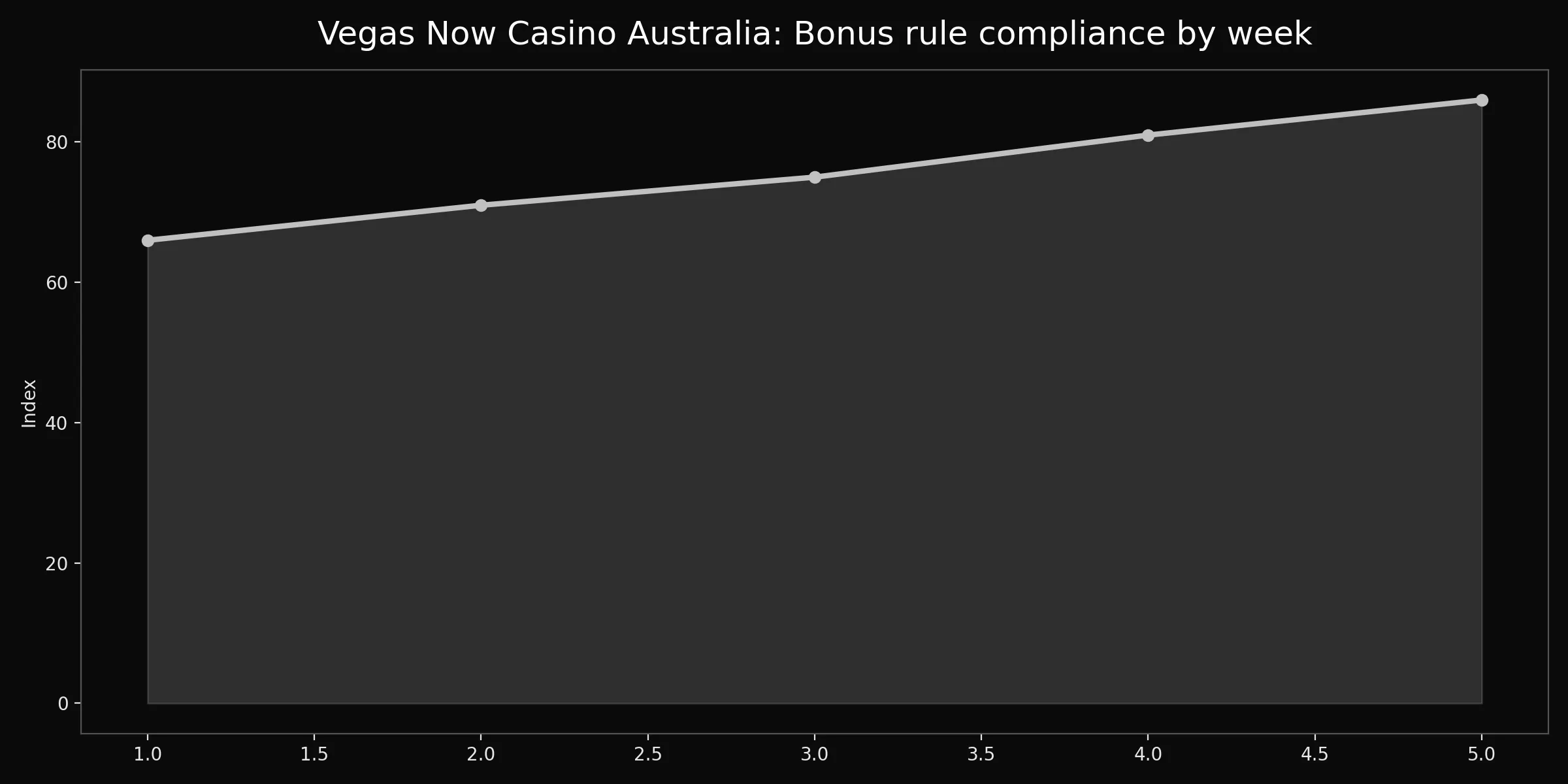
This page-specific chart is a decision aid. Read axes and trends as operational signals, not guarantees. Use it to decide where to tighten controls before your next session.